
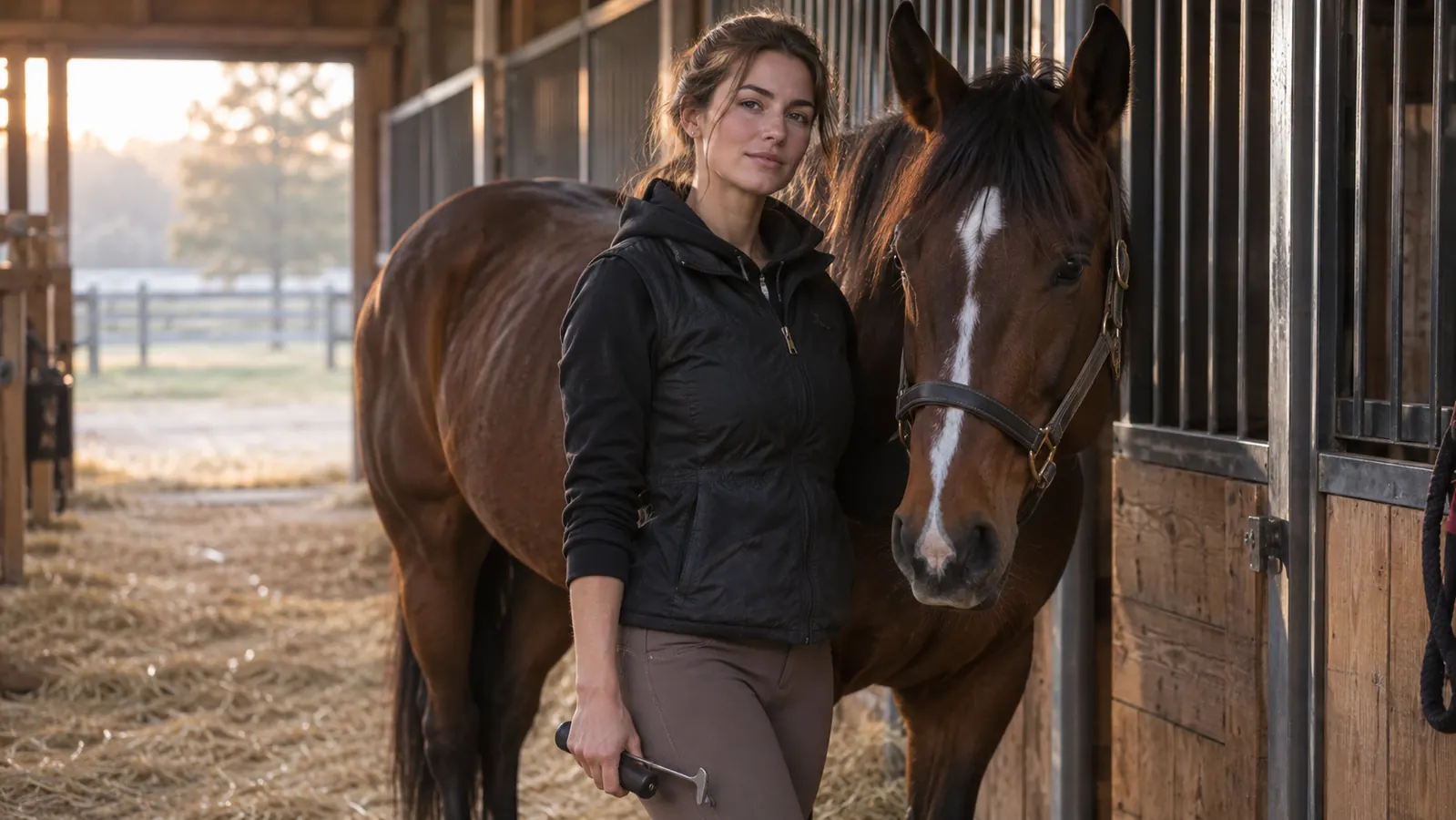
I bought the BOTH WINNERS hoof pick because I was tired of losing cheap picks in the mud. My mare Juniper is a 14-year-old bay Quarter Horse, about 1,050 pounds and 15.1 hands, and she has thin skin that cracks at the heels after wet weeks. I do the books part time at a family-owned feed store outside Hollister, California, and I keep my horse at home on five acres in a small two-stall barn with a run-out paddock. That means hoof picking is not a show-day ritual for me. It is a daily chore I do before work, after work, and sometimes in the dark with a flashlight in my teeth. I have used this pick for the better part of a year. Here is the honest version, including the parts I would not have guessed from the product page.
What nobody tells you about a hoof pick is that the handle matters more than the hook until the day the hook matters more than the handle. A pick is a lever and a scraper, and you use it in cold, wet, gritty conditions. If the grip is wrong, your hand cramps before the horse lifts the fourth hoof. If the metal is soft, the tip rolls over on packed clay. I have owned picks that failed on each count. The BOTH WINNERS pick is not a fancy tool. It is a small, light, two-sided grooming tool that does the job I ask of it. But it is not perfect, and there are riders who should buy something else.
The Quick Verdict
A light, grippy two-sided hoof pick that earns its place in a coat pocket, as long as you do not expect the brush side to replace a stiff brush on caked mud.
Amazon Check Today's Price →The pick I reach for before the coffee is ready
It lives in my barn coat pocket because it is light, easy to grip with cold hands, and the brush side saves me a second trip to the grooming tote. If your horse gets packed dirt on ordinary days, start here.
Amazon Check Availability on Amazon →How I've Used It
I bought it in spring, when the paddock turns from soup to cracked plates of mud in the same week. My routine is simple. I lead Juniper into the aisle, tie her, run a brush over her shoulder so she knows the program, then pick each hoof from heel to toe. I use the metal hook first on the packed stuff and the brush side after to sweep the loose grit off the sole. The listed size is 6 by 2.5 by 0.5 inches and 0.32 ounces, which in real life means it fits in the outside pocket of a barn coat and does not drag my coat down on one side. I have dropped it on concrete, stepped on it once, and found it in the shavings more times than I will admit. It has not cracked or bent.
What I expected was a disposable pick with a gimmick brush. What I got was a tool that has stayed in the rotation. The handle has a soft touch feel that matters in February when my hands are dry and the water bucket has ice on it. I can hold it with gloves on, which is not true of the thin plastic pick I used before. The steel-reinforced hook has kept its point. I pick Juniper's hooves four to six times a week, more in mud season, and the hook still scrapes instead of skidding. That is the whole test for me. Does it work when I am cold, rushed, and not in the mood to fight a tool?
I also used it around the barn in the way the listing mentions, for other cleaning. I scraped mud out of the tread of my boots and dug packed shavings out of a grooming tote corner. It is not a replacement for a broom or a hose, but it is the thing already in my pocket. That is how tools earn their keep. Not by doing ten jobs well, but by being close at hand when a small job shows up.
What the Two Sides Actually Do
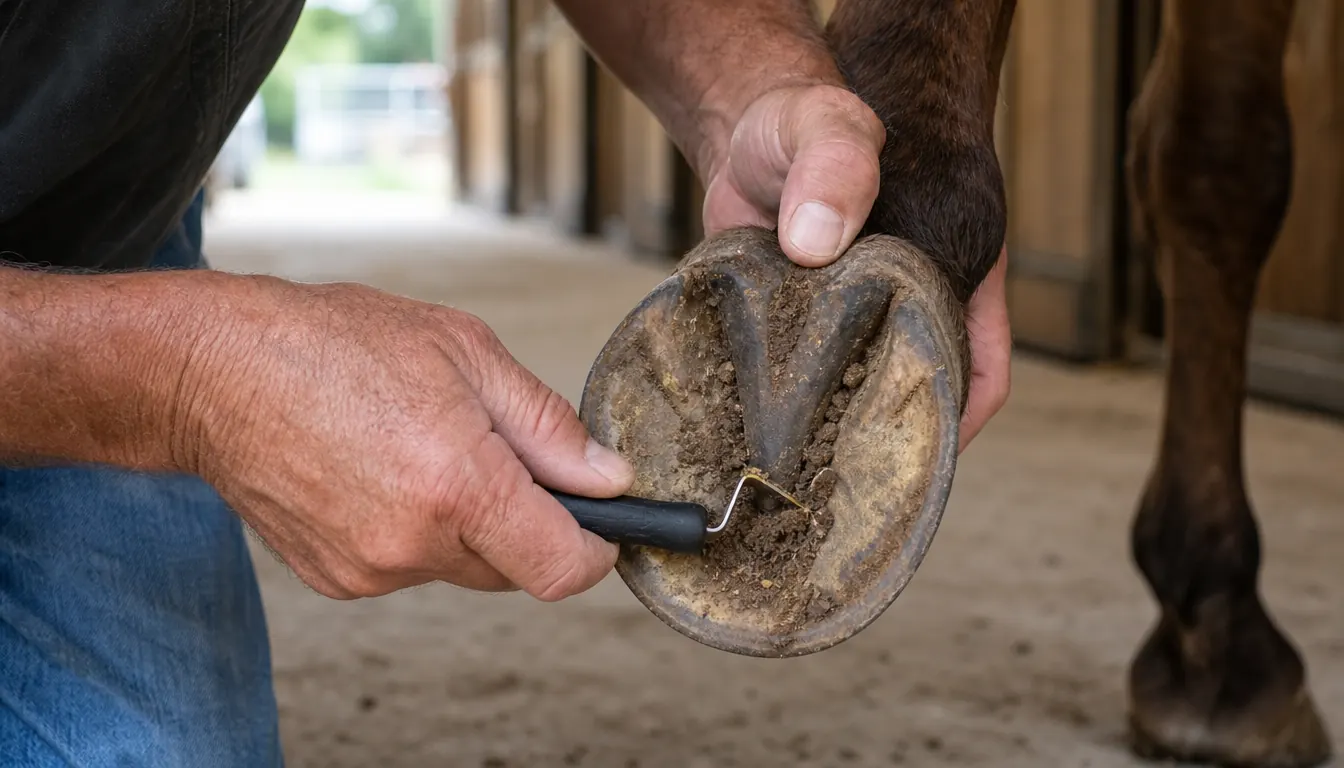
The metal hook is the part that does the real hoof work. The listing says it is reinforced with steel for a strong hook, and I believe that is the difference between this pick and the cheap picks I have snapped. You slide the tip into the heel and draw it toward the toe, following the natural curve of the sole. On Juniper, the dirt packs hardest at the heel and in the little hollow beside the frog. A weak hook skips over that. A strong one digs in and lifts it. I have not had to bear down so hard that I worry about poking her. That is not because the hook is special. It is because the tip is firm enough that I can use a light hand and still get the job done.
The brush side is the part that surprised me. In dry California dirt, it is the difference between a hoof that is merely dug out and a hoof that is clean enough for a farrier to look at. I use the brush after the hook to sweep grit away from the sole and out of the heel cleft. On wet days it is less useful. Wet mud smears. The brush bristles load up, and I have to knock it against the barn wall to clear it. That is not a defect in the tool. It is what a small brush does. If you are dealing with caked clay, you will still want a stiff brush and maybe a hose. The brush side is a finish tool, not a front-end loader.
The shape is simple, which I like. It is not a folding pick, not a pick with a dozen attachments, not a pick that needs a lesson. You hold the handle, you use the hook, you flip it, you use the brush. The two working ends are close together, so it is compact in the hand. That compactness has one tradeoff. The brush area is small. For a horse with big feet and deep mud, you will make more passes than you would with a full-size brush. I noticed it most in the rainy weeks when Juniper came in with clay packed to the hairline. I still used it, but I kept a stiff brush in the other hand.
The steel hook still scrapes instead of skidding after a year of four to six pickings a week, and that is the whole test for me.
The Stuff Nobody Mentions
Nobody tells you that a hoof pick is a hygiene tool. You are holding it inches from mud, manure, and frog tissue. I wipe mine with a rag and rinse it when I remember. The smooth handle is easy to wipe. The brush is not. It holds grit. If you are fussy about clean tools, plan to pick the bristles clean or accept that it will look like a barn tool. I would rather have a brush that holds up than one that sheds bristles into a hoof. So far this one has not shed. That matters because a loose bristle in the sole is a nuisance you do not want to explain to a horse.
Nobody tells you that the pocket factor changes how often you pick. My old pick lived in a bucket in the tack room. If I was leading Juniper in from the paddock and saw a packed hoof, I would tell myself I would get it later. Later is how thrush gets a foothold in wet weather. The BOTH WINNERS pick lives in my coat. I pick her hooves at the gate. I pick them after a trail ride before I untack. I pick them in the dark before breakfast because the tool is on me. That is not a feature on the box. It is the result of the size and weight. A tool you carry is a tool you use.
Nobody tells you that the grip gets tested by gloves, not by bare hands. In summer I can hold any pick. In winter my hands are stiff, and the cheap picks feel like a pencil. The soft touch handle on this one gives me something to close my fist around. It is not a fat handle. It is not a gel cushion. It is a simple grip with a little give. That is enough. If you have arthritis or grip issues, I would still try one in person if you can. I am not going to pretend a six-inch grooming tool fixes hand pain.
Nobody tells you that the brush side can make you lazy about the hook. It is tempting to skip the metal and just whisk the loose dirt away. Do not do that. The hook is what lifts the packed material. The brush only clears what the hook has loosened. I learned that the hard way on a wet week when I thought I was done and Juniper still had a plug of mud beside the frog. The pick did its job. I did not. That is a user error, not a product flaw, but it is worth saying out loud.
Where It Surprised Me
The first surprise was the weight, or the lack of it. At 0.32 ounces, it is light enough that I forget it is in my pocket. I have carried heavier pens. That sounds like a small thing until you are wearing a barn coat in July and every extra ounce feels foolish. The second surprise was the steel hook. I expected it to dull. It has not. I expected the handle to separate from the metal after a few months. It has not. I am not gentle with tools. I leave them in the truck, in the feed room, on the fence rail. This one has held up.
The third surprise was how often I reach for it away from the horse. I used it to clear mud out of the trailer latch, to scrape dried manure off a boot sole, and to dig shavings out of the corner of a bucket. The listing calls it multi-using for cleaning around home or stable, and I see why. It is a small hook and brush. That is useful beyond hooves. I would not buy it as a household cleaning tool. I would buy it as a hoof pick that happens to be handy for the odd barn job.
The fourth surprise was the payoff of a good habit. Until I had a pick in my pocket, I did not realize how many times a day I skipped a two-minute chore. Now I pick hooves while I wait for the feed cart, while Juniper eats, while I talk to Mark about who is driving to softball. The tool does not make me a better horsewoman. It removes a small excuse. That is worth more to me than a fancy handle.
Where It Falls Short
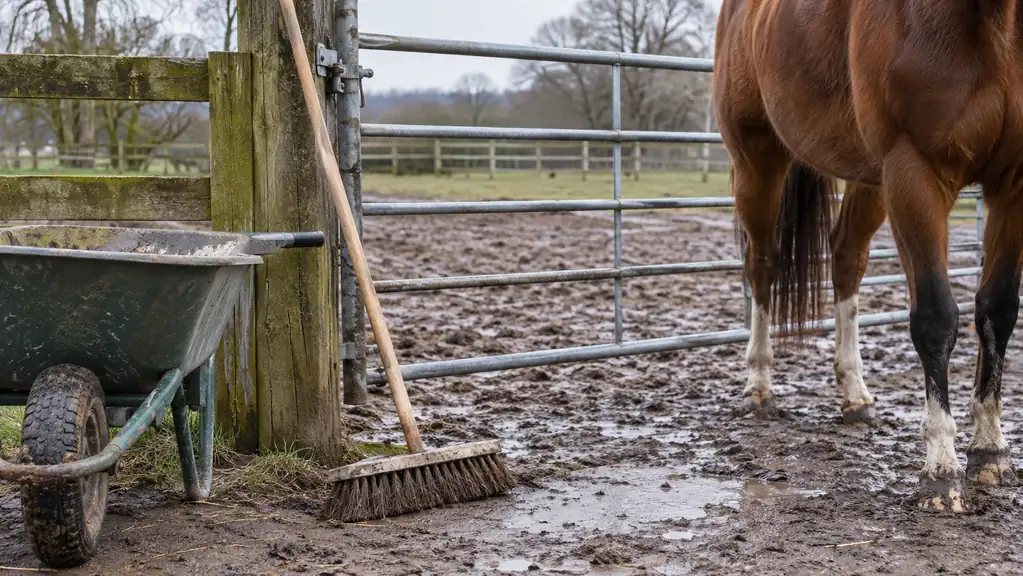
The brush side is not a mud-buster. If your horse comes in with wet clay packed to the coronet, this pick will need help. I keep a stiff brush and a hoof pick with a longer hook for those days. The BOTH WINNERS pick is the one I use for daily maintenance, not the one I use after a week of rain. That is an honest limitation. Do not buy it expecting a full grooming kit in one hand.
The hook is strong, but it is not long. On a deep heel cleft or a hoof packed with dry, hard dirt, I sometimes need a second pass from a different angle. A longer hook can reach farther in one motion. I have not found that to be a problem on Juniper's feet, which are average for a Quarter Horse. If you have a draft horse with big, deep feet or a horse that packs clay like concrete, a longer hook might suit you better. I would rather tell you that now than have you find out in the mud.
The handle is comfortable, but it is not textured like grip tape. Wet hands can slip. I wipe mine on my jeans and keep going. If I were picking hooves in a wet wash rack every day, I might want a different handle. For a California barn with a few wet weeks, it is fine. I also wish the brush was slightly wider. That is a preference, not a flaw. The tool is six inches long and half an inch thick. There is only so much brush you can fit on that frame.
What I Liked
- Light enough to carry in a coat pocket, so I pick hooves more often.
- The steel-reinforced hook holds its point and scrapes packed dirt without needing a heavy hand.
- The soft touch handle is easy to hold with gloves on cold mornings.
- The brush side clears loose grit after the hook, which saves a trip to the grooming tote.
- The listed 6 by 2.5 by 0.5 inches and 0.32 ounces make it easy to store in a pocket or tote.
- It handles small barn jobs beyond hooves, like boot treads and tote corners.
Where It Falls Short
- The brush side is too small for caked mud and wet clay.
- The hook is not long enough for very deep or heavily packed feet.
- The brush holds grit and needs cleaning.
- Wet hands can slip on the handle.
- It will not replace a stiff brush or a full hoof care routine.
Who This Is For
This is for the rider who picks hooves daily or almost daily and wants a tool that is easy to carry. It suits a trail rider, a pleasure rider, a barn owner with a couple of horses, or anyone who wants a spare pick in the trailer. It suits a horse with average feet and ordinary mud. It suits cold mornings and glove pockets. If you are tired of cheap picks that bend, this is a sensible step up without buying a custom tool. It also suits a beginner who needs one simple tool that does one job without a lot of parts.
I am not a farrier, a vet, or a trainer. I am a 46-year-old woman with a day job, a mare, and a barn to clean. My standard is simple. Does the tool work when I am tired, and does it last? This one does. I still ask my farrier when a hoof looks wrong, because a pick is not a diagnosis.
Who Should Skip It
Skip it if your horse lives in deep wet clay and you need a heavy-duty mud tool. Skip it if you want one pick that reaches deep into huge feet. Skip it if you expect the brush to replace a stiff brush. Skip it if you need a pick with a long handle for back issues, because this is a compact tool. And skip it if you want a tool that looks new after a year in a barn. This one will look used, because it is used. Ask your farrier if you are unsure about hoof health. A pick is not a treatment for thrush, abscess, or lameness.
If your pick keeps disappearing into the shavings, start here
The BOTH WINNERS hoof pick is not the last tool you will ever buy. It is the one I actually carry. Light, grippy, and strong enough for daily dirt, it has earned its spot in my coat pocket. Check the current listing and see if the size fits your routine.
Amazon Check Availability on Amazon →